


Give your recovery a boost – scientific recommendation!
As they say, after training comes more training. It's always a continuous process. To ensure that your workout doesn't leave you feeling the effects for too long, you need to recover properly so you can give it your all in the next session.
What's the best way to do that?
Put your feet up, watch Netflix and drink protein shakes?
Yes, that's one way to do it – but there's still plenty of room for improvement. Let's take a look at what the specialist literature has to offer on this topic:
Effective regeneration – what does science say?
In November 2022, a review by Emma O'Connor and colleagues entitled Nutritional Compounds to Improve Post-Exercise Recovery was published.

Of the numerous nutrients that have been researched in connection with regeneration, O'Connor and colleagues state that there is sufficient scientific data to support the effectiveness of only two. Five others are very promising but still require further scientific validation.
Want to know which two (or rather, seven) nutrients are involved (and which WEIDER products you need to take to optimally support your recovery)? Then grab your reading glasses, a cup of coffee (or another stimulating drink of your choice – e.g., RUSH RTD ), and devour this blog post. Most importantly: Make yourself comfortable while reading – because relaxation is known to promote recovery!
Training, nutrition and regeneration: The three pillars of athletic performance
During training, a stimulus is applied that necessitates an adaptation of the body.
In order to make this adaptation possible, building materials and tools (e.g. proteins, micronutrients) are needed, as well as time and conditions conducive to recovery.
In accordance with the publication by O'Connor and colleagues, this article will primarily focus on the nutrients that have a positive effect on regeneration.
Intense training leads to exercise-induced muscle damage (EIMD), which is accompanied by oxidative stress and inflammation. These are physiological reactions that enable the body to adapt. If these reactions are very severe (e.g., after particularly intense training), they result in delayed-onset muscle soreness (DOMS), which can be quite painful and unpleasant.
If the damage to the muscles is too extensive, performance will decrease in subsequent training sessions, and in the worst case, there will even be an increased susceptibility to infection and injury.
To avoid this and accelerate regeneration, various strategies can be employed, including the targeted intake of specific nutrients. Due to their different natures, these nutrients can influence regeneration through various mechanisms.
Targeted nutrient supply for optimized regeneration
While vitamin C and vitamin E are known to be antioxidants – and EIMD is associated with oxidative stress – it is still unclear whether the two vitamins have a positive (or even negative) effect on regeneration.
The situation is different with secondary plant compounds. Unlike vitamins, which have a direct antioxidant effect, polyphenols increase the body's own (endogenous) resistance to antioxidant stress (by activating antioxidant enzymes). Furthermore, the intake of polyphenols is associated with inflammatory modulation. Plants and the extracts derived from them have individual polyphenol compositions, which accounts for these varying effects.
Sour cherries are particularly rich in anthocyanins. Numerous studies have shown that consuming sour cherry juice or polyphenol-rich extracts can reduce exercise-induced performance decline in various disciplines (e.g., strength training, endurance training, sprinting). These positive effects have been observed in both trained and untrained subjects and were, in most cases, accompanied by reduced muscle soreness. In addition to these physical indicators, it has also been shown that sour cherry supplementation can lower certain exercise-induced inflammatory markers.
Blueberries, blackcurrants and pomegranates are promising, but not yet sufficiently researched in this respect.
Curcumin , the orange-yellow pigment from the turmeric root, has antioxidant and anti-inflammatory properties and thus, in theory, fulfills several prerequisites for optimized muscle regeneration. This has been confirmed in several human studies: Curcumin was able to accelerate the restoration of muscle function after intense exercise, reduce muscle soreness, and also lower blood markers for muscle damage. Since curcumin has extremely poor bioavailability, extracts should always be taken in absorption-enhancing forms or combinations (e.g., with piperine from black pepper or in liposomes/phospholipid complexes). Overall, O'Connor and colleagues consider curcumin a promising supplement for improving regeneration. However, the optimal dosage regimen still needs to be determined.
In some studies, taking BCAAs (the three branched-chain amino acids L-leucine, L-isoleucine, and L-valine) has been shown to reduce certain blood markers of muscle damage, accelerate the recovery of muscle function after exercise, and reduce muscle soreness. Consistent intake, starting at least one week before exercise, is necessary to benefit from improved recovery. Since L-leucine likely has the most significant effect of the three amino acids—and the three BCAAs also compete for the same cell transporter—taking L-leucine alone appears to be sufficient to improve recovery.
Beta-hydroxy beta-methylbutyrate (β-HMB) is a metabolite (a derivative) of the amino acid L-leucine. In some studies, β-HMB has also been shown to reduce the exercise-induced inflammatory response, accelerate the recovery of muscle function after exertion, and reduce markers of muscle damage. Although the research regarding the regenerative properties of β-HMB is not entirely conclusive, it is a highly promising supplement for optimizing muscle recovery and repair.
Creatine is primarily associated with improved strength performance, but what about recovery? Despite mixed data, creatine supplementation has great potential when it comes to improving recovery. Creatine influences several processes (e.g., muscle protein synthesis, stabilization of cell membranes, and modulation of exercise-induced inflammation) that are crucial for muscle recovery. Continuous, long-term supplementation appears to be beneficial for optimizing recovery.
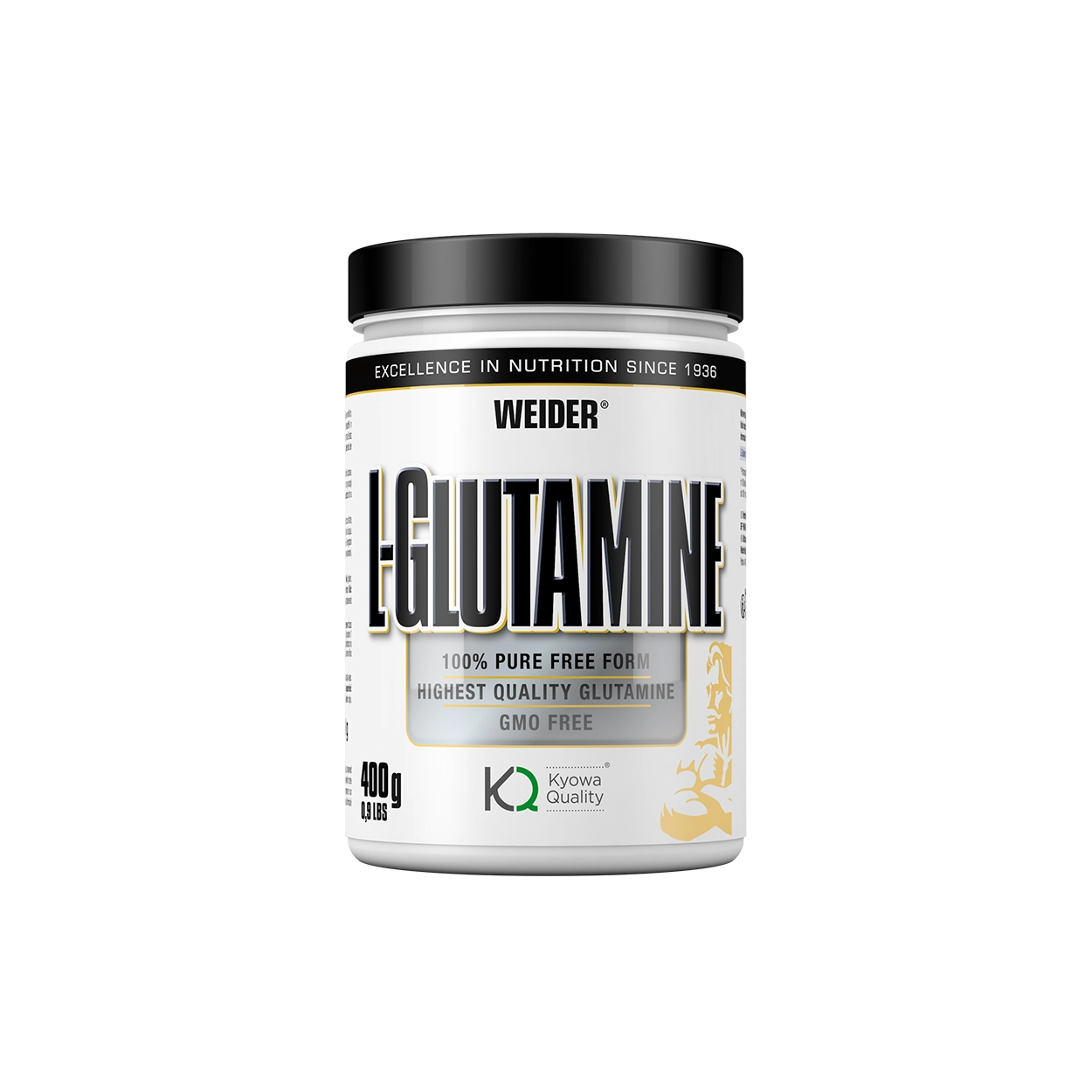
L-glutamine is a semi-essential or conditionally essential amino acid, meaning that the body's own production is insufficient during periods of increased demand (e.g., during intensive training). Regarding its potential to improve recovery, concrete data is still quite limited. However, since glutamine is used as an energy source by intestinal cells and white blood cells, a positive effect is conceivable. Indeed, some studies have shown that L-glutamine supplementation improves immune function, although not in a training-related context. Further research is needed to develop a clearer picture of L-glutamine's recovery-promoting properties.
L-carnitine is known to most athletes for its purported fat-burning effects. Its main function is to transport fatty acids into the mitochondria (the powerhouses of the cells), where they are "burned" (oxidized) to produce energy. Furthermore, L-carnitine appears to have antioxidant effects. Interestingly, the body's own synthesis only provides about 25% of the daily required amount of L-carnitine. The rest must be obtained through diet. Red meat is the food with the highest L-carnitine content. Under stressful conditions (such as training), the body may also have an increased need for L-carnitine. Athletes with high training volumes, as well as vegetarians/vegans who consume little or no L-carnitine through their diet, can particularly benefit from supplementation to prevent a (training-related) deficiency.
Watermelon juice (rich in the amino acid L-citrulline), taurine , as well as bromelain and other proteases (protein-splitting enzymes) have the potential to improve regeneration. However, the current data is insufficient to draw a definitive conclusion.
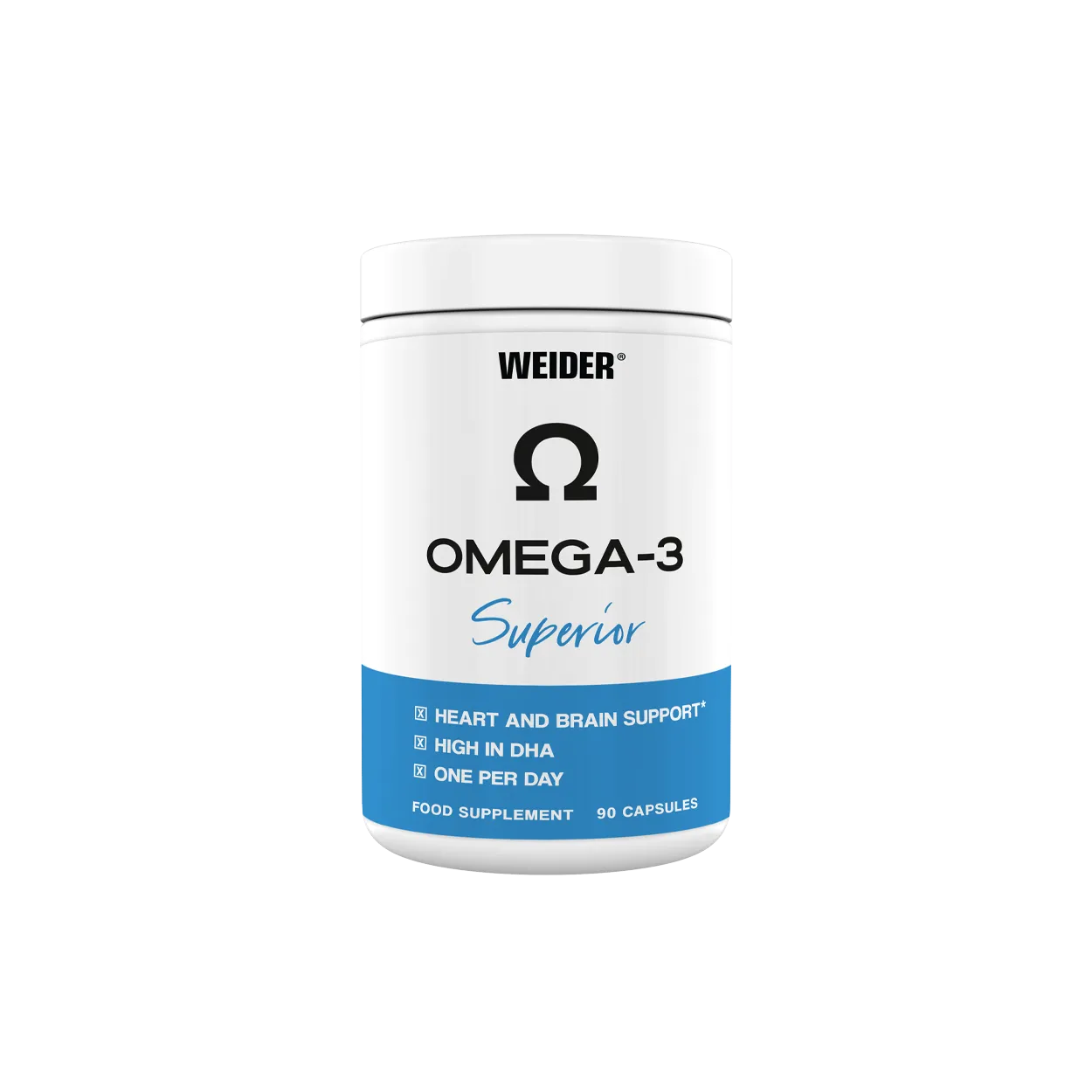
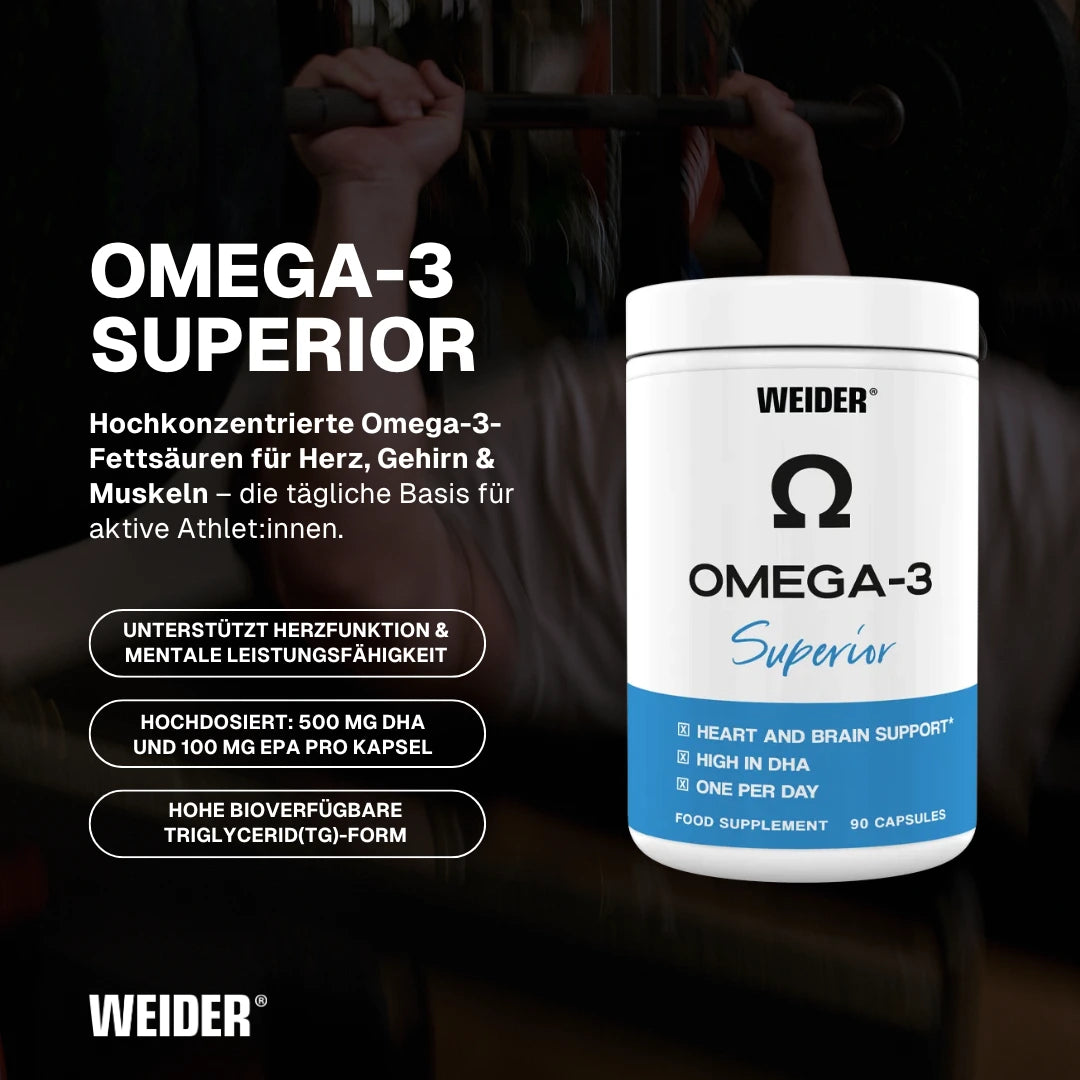
The omega-3 fatty acids EPA (eicosapentaenoic acid) and DHA (docosahexaenoic acid) possess anti-inflammatory properties and can reduce oxidative stress after intense physical exertion. They can also reduce muscle soreness and restore muscle function and range of motion more quickly after exercise. Since these two omega-3 fatty acids exert their effects by being incorporated into cell membranes, long-term supplementation is necessary to benefit from their regeneration-enhancing properties.
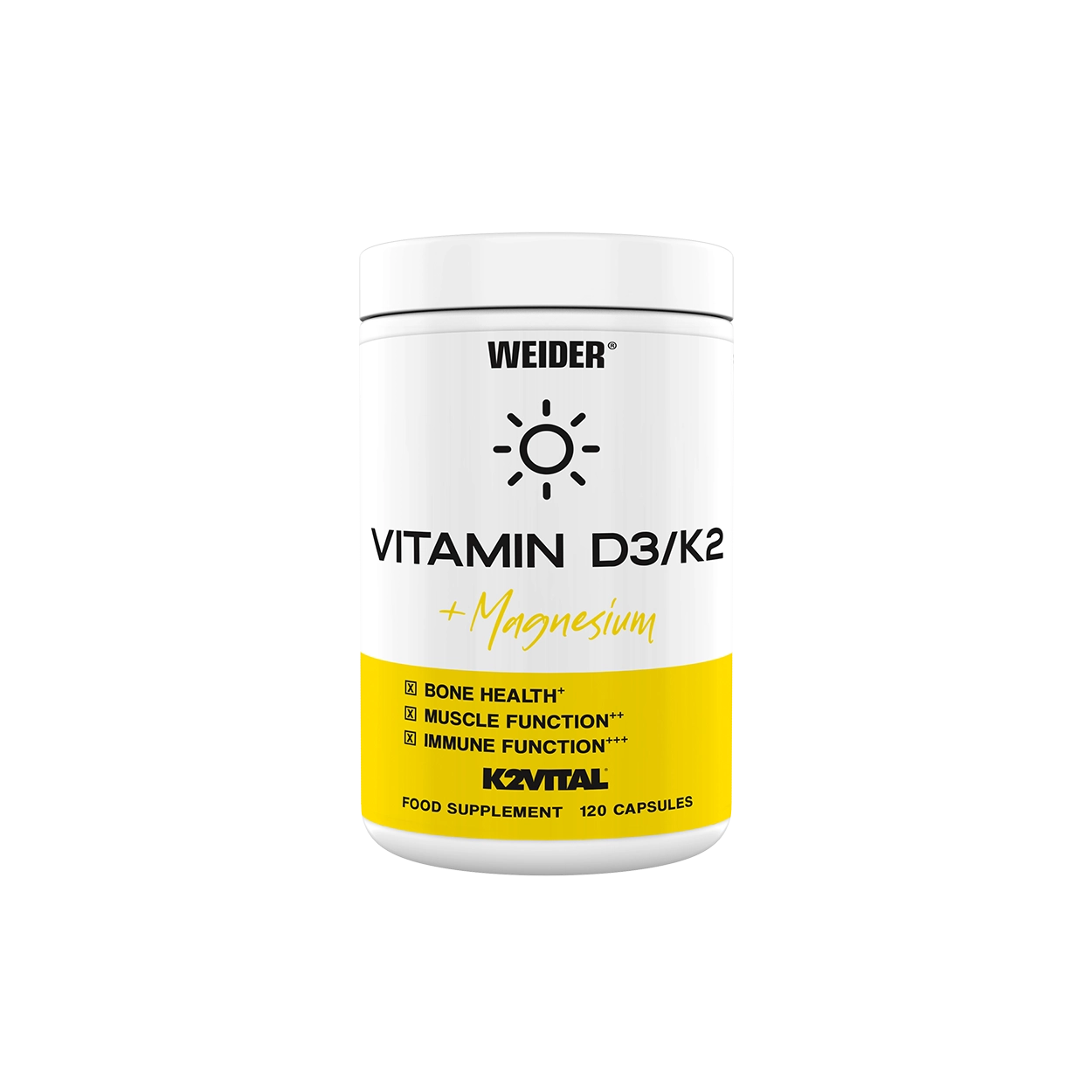
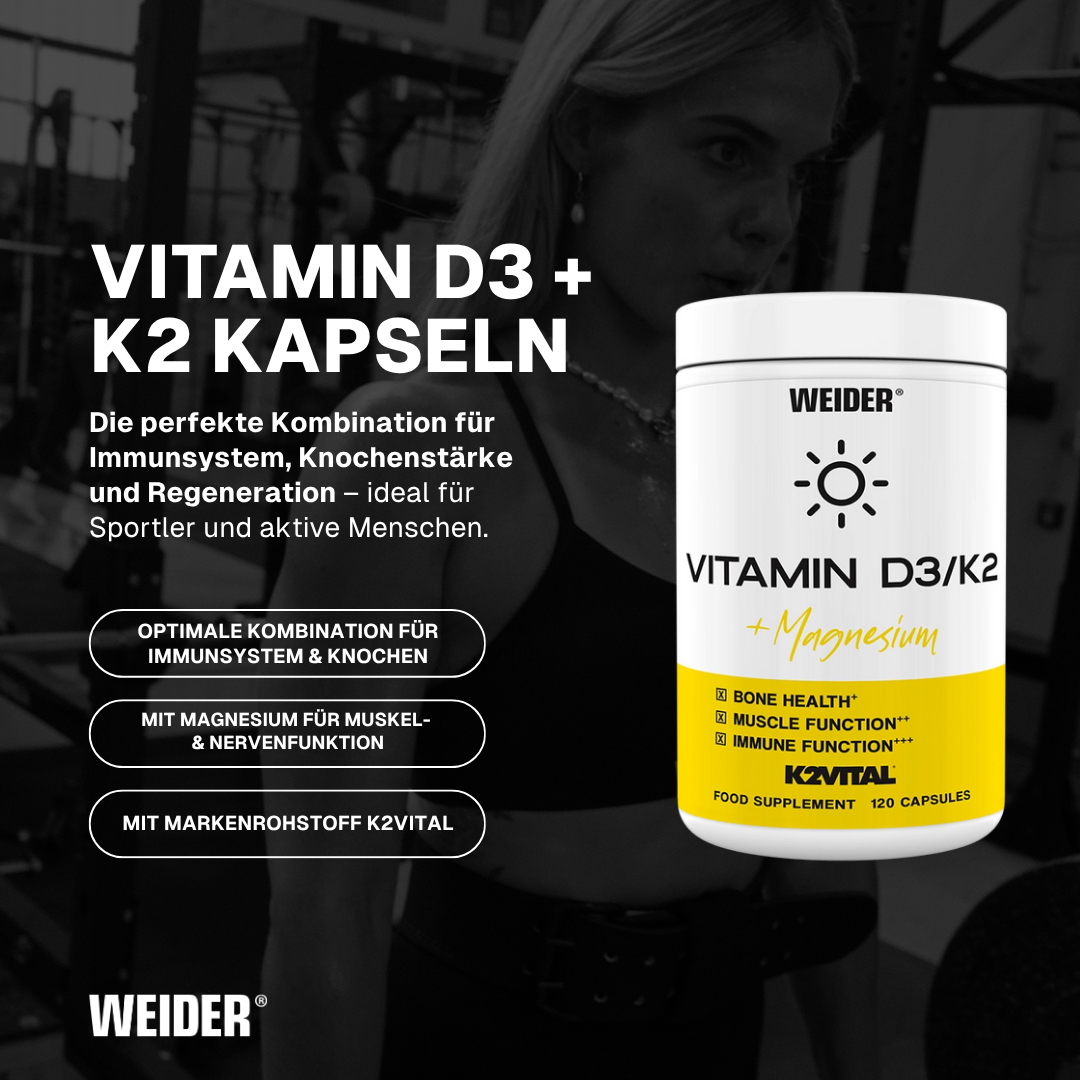
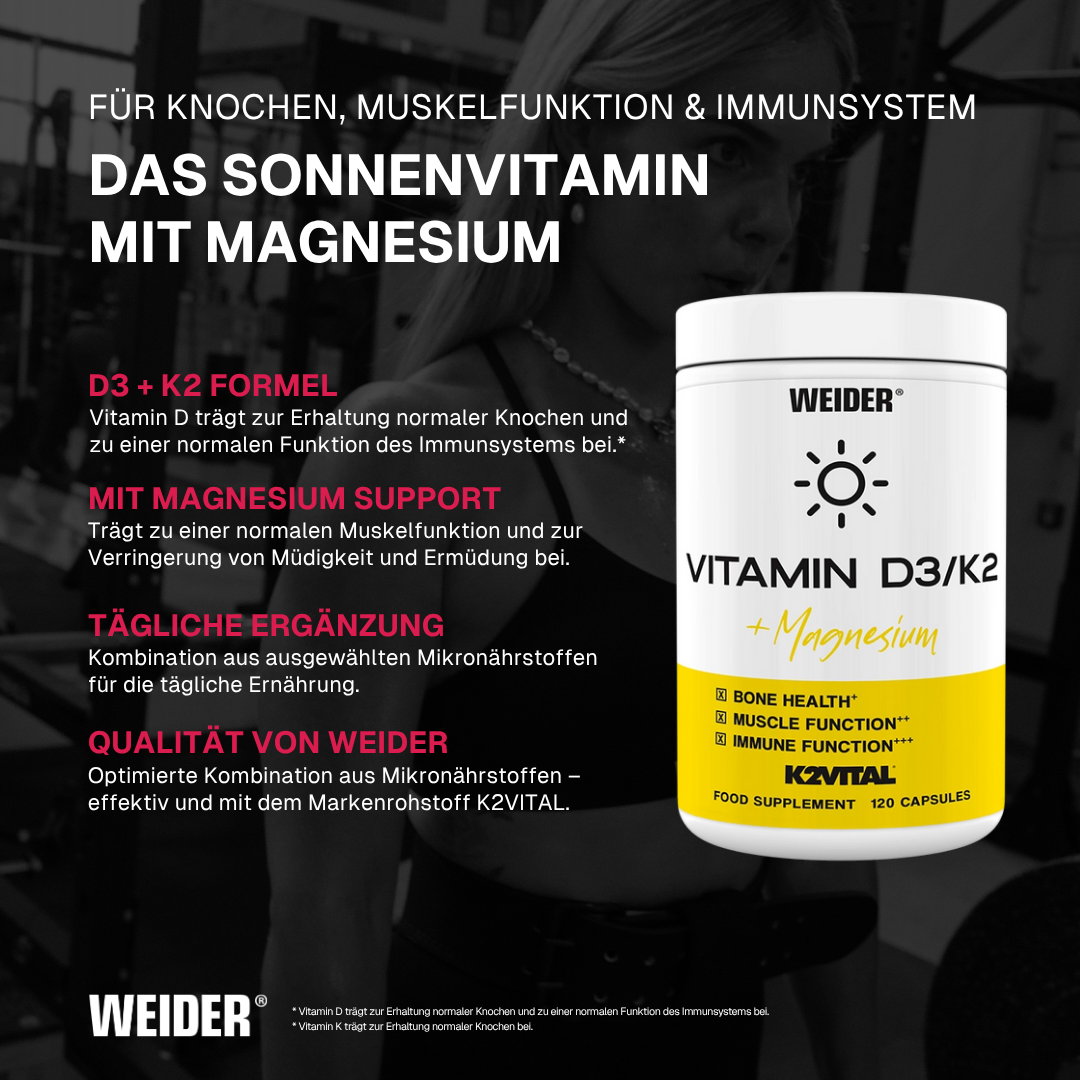
Vitamin D is actually not a vitamin, but a hormone. Attentive readers of the WEIDER blog know that we can produce vitamin D ourselves – provided our bare skin receives sufficient sunlight (UV-B radiation). Since this is rarely the case in this country, we recommend having your vitamin D levels checked and supplementing accordingly ( e.g., with our vitamin D3 capsules ). While some studies have shown positive effects on regeneration (e.g., that low vitamin D levels are associated with increased exercise-induced muscle damage, or that vitamin D supplementation can restore muscle function more quickly and reduce blood markers for muscle damage), there are also studies that have found no positive effect of vitamin D intake on regeneration. Ultimately, more data is needed for a conclusive assessment.
Similar to creatine, caffeine , the world's most popular stimulant, is also immediately associated with an acute increase in performance. Indeed, there is some evidence that caffeine can also contribute to improved recovery (e.g., through reduced fatigue, less muscle soreness, and increased glycogen resynthesis). As is often the case, however, other studies have found no measurable positive effect on muscle recovery. Since caffeine is 75% metabolized after about 6-7 hours, it's possible to consume multiple doses during the recovery phase. This is perfectly normal for regular coffee drinkers. However, individuals sensitive to caffeine should refrain from this recovery-promoting measure to avoid negatively impacting their sleep (arguably the most important aspect of recovery).
Finally, the authors, including Emma O'Connor, assess the plants ginger, ashwagandha, kava, hops, valerian, and ginseng. While kava seems to offer more disadvantages than advantages, there is evidence for improved regeneration for all the other plants. Regarding the sleep-promoting properties of ashwagandha, there is some data, which we already discussed in the second part of our ashwagandha blog article series ( Ashwagandha Blog Article Part 2 ).
The eagerly awaited conclusion: Which nutrients have the greatest potential?
But now let's finally come to the summary - after all, you've been reading quietly and attentively for so long that your muscles have probably completely regenerated in the meantime.
While the data regarding the regenerative properties of many nutrients is currently quite limited, there is already a relatively robust body of evidence for both sour cherries and omega-3 fatty acids. Accordingly, O'Connor and colleagues classify these two nutrients as having proven effectiveness.
BCAAs (L-Leucine), β-HMB, creatine, curcumin and pomegranate are rated as very promising by the authors, but require further research to substantiate the regeneration-promoting effects and to be able to make concrete recommendations (e.g. intake schedule, effectiveness depending on training status, etc.).
The other nutrients are all not ineffective – there is just a lack of sufficient study results.
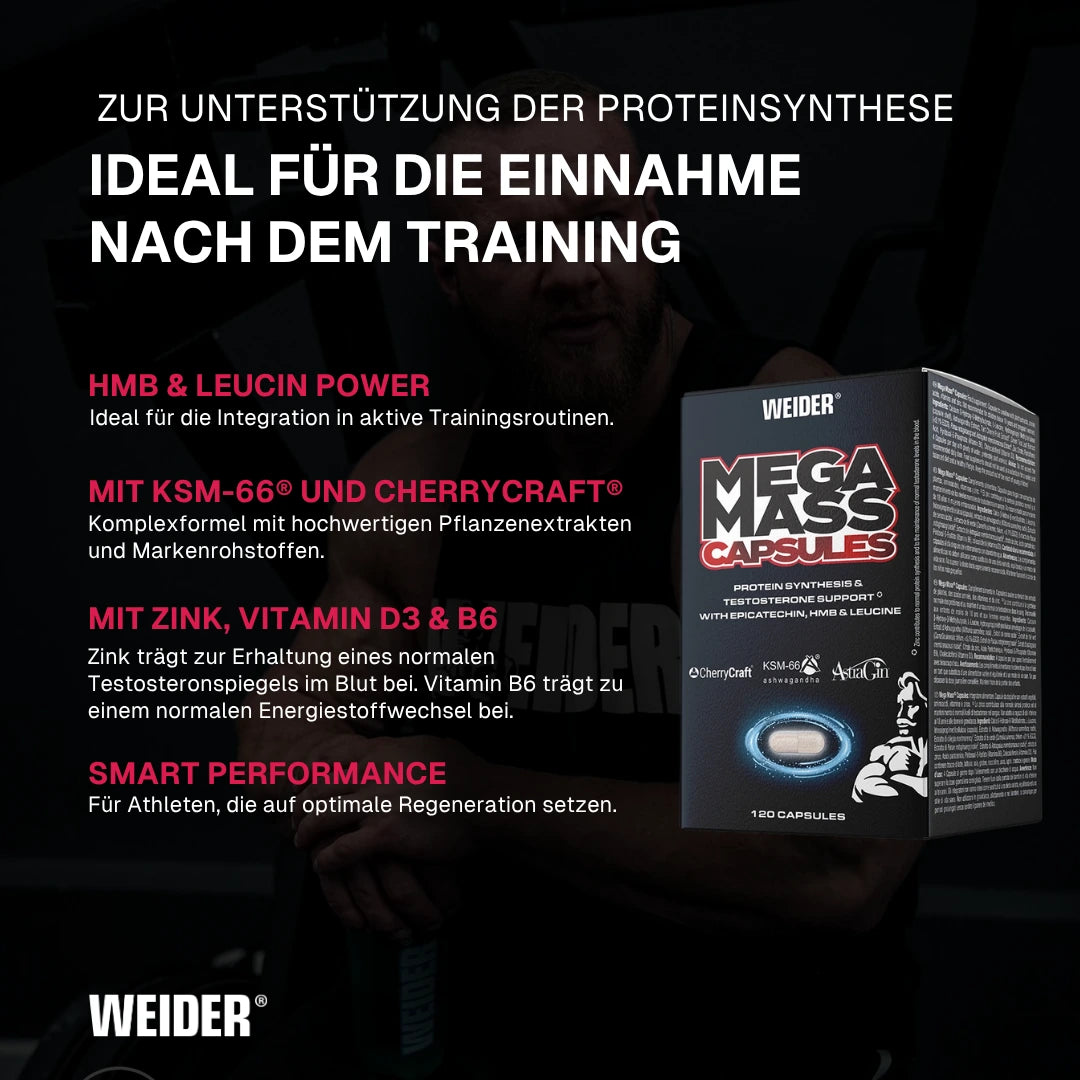
Omega-3 fatty acids and creatine should already be a staple in every athlete's supplement routine. Maintaining sufficient vitamin D levels year-round is also important. But how wonderful would it be if there were a supplement that combined tart cherry, L-leucine, and β-HMB? And what about ashwagandha and epicatechin, a plant compound that wasn't included in O'Connor's review but could still potentially have a positive effect on recovery?
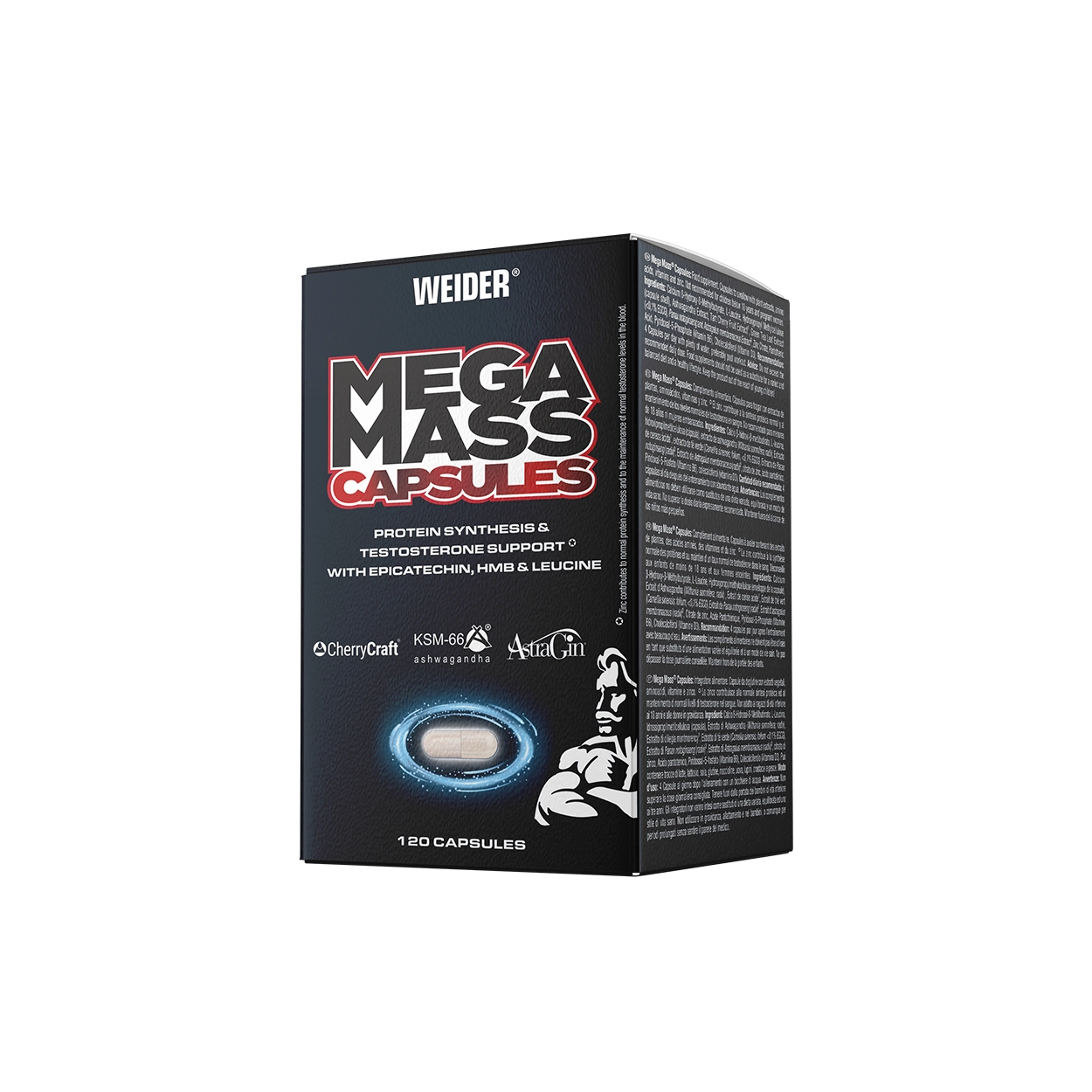
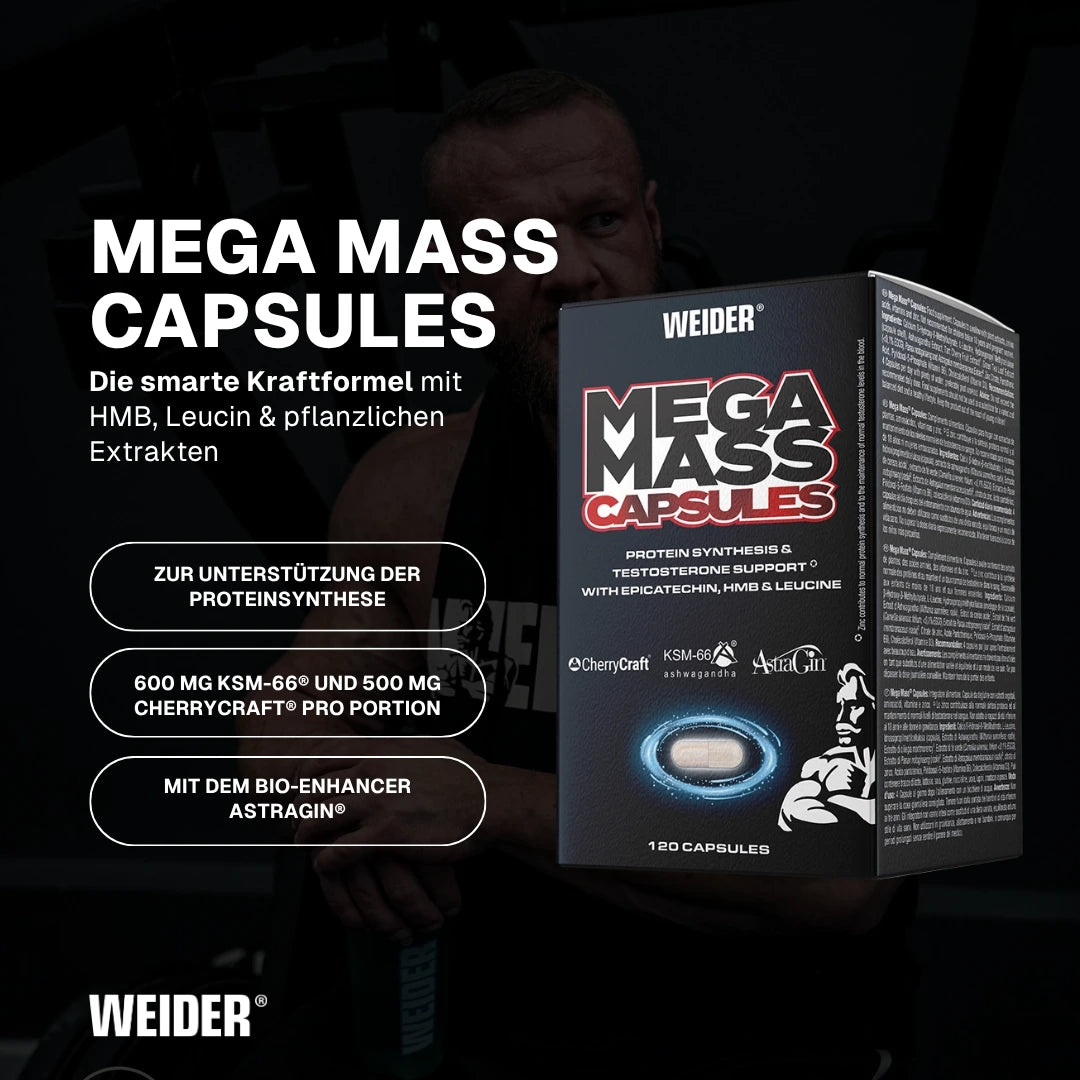
Wait a minute… Doesn't that almost sound like the ingredient list of our Mega Mass Caps?!
These high-quality capsules contain a full 500 mg of CherryCraft® tart cherry extract from Europe, 600 mg of KSM-66® Ashwagandha, L-Leucine, β-HMB, Vitamin D, Epicatechin, and much more. Add in some Pure Creatine and Omega-3 Superior, and you have the ultimate regeneration package. Intrigued? Check out our blog post !
Side note: Our Mega Mass Caps have been around since early 2022, while O'Connor and colleagues' publication wasn't released until November 2022. So we didn't copy them ;)





Share:
Winter is mass phase: Optimize your muscle building with Mega Mass Caps
Collagen & strength training: How much do you really need for optimal tendon and joint health?